
Property & Investment · Maine
Maine Property Types: A Buyer’s Guide
Compare single-family homes, condominiums, multifamily buildings, waterfront property, land, camps, historic homes and new construction in Maine.
On this page
- Single-family homes
- Condominiums and townhomes
- Multifamily property
- Waterfront and water-access property
- Vacant land and building lots
- Historic and antique homes
- New construction
- Seasonal homes and camps
- Commercial and investment property
- Farms, homesteads and rural acreage
- Property-type checklist
- Frequently asked questions
- Find the right Maine property type
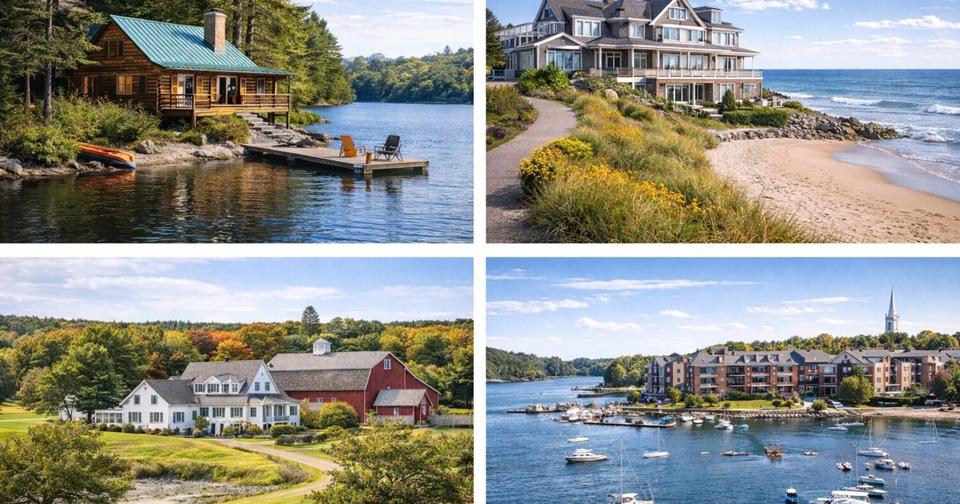
Maine’s housing market includes far more than a standard single-family home. Buyers may encounter condominiums, multifamily buildings, historic homes, camps, waterfront property, land, farms and new construction—each with different financing, inspection and ownership requirements.
Single-family homes
Maine single-family housing ranges from historic village homes to suburban subdivisions and rural properties. Match inspections to the building’s age and site, including foundation, electrical service, heating, insulation, roof, water, sewer or septic and any private-road obligations.
Condominiums and townhomes
Condominium ownership combines a private unit with shared property and governance. Review the declaration, bylaws, budget, reserves, insurance, assessments, meeting minutes, litigation, rental limits, pet rules and maintenance boundaries. A lower-maintenance format does not eliminate financial exposure to common elements.
Multifamily property
Two- to four-unit buildings can support owner occupancy or investment, but buyers should verify legal unit count, leases, deposits, utility separation, fire-safety compliance, lead requirements and local licensing. Analyze income after vacancy, maintenance, capital reserves, management and utilities—not gross rent alone.
Waterfront and water-access property
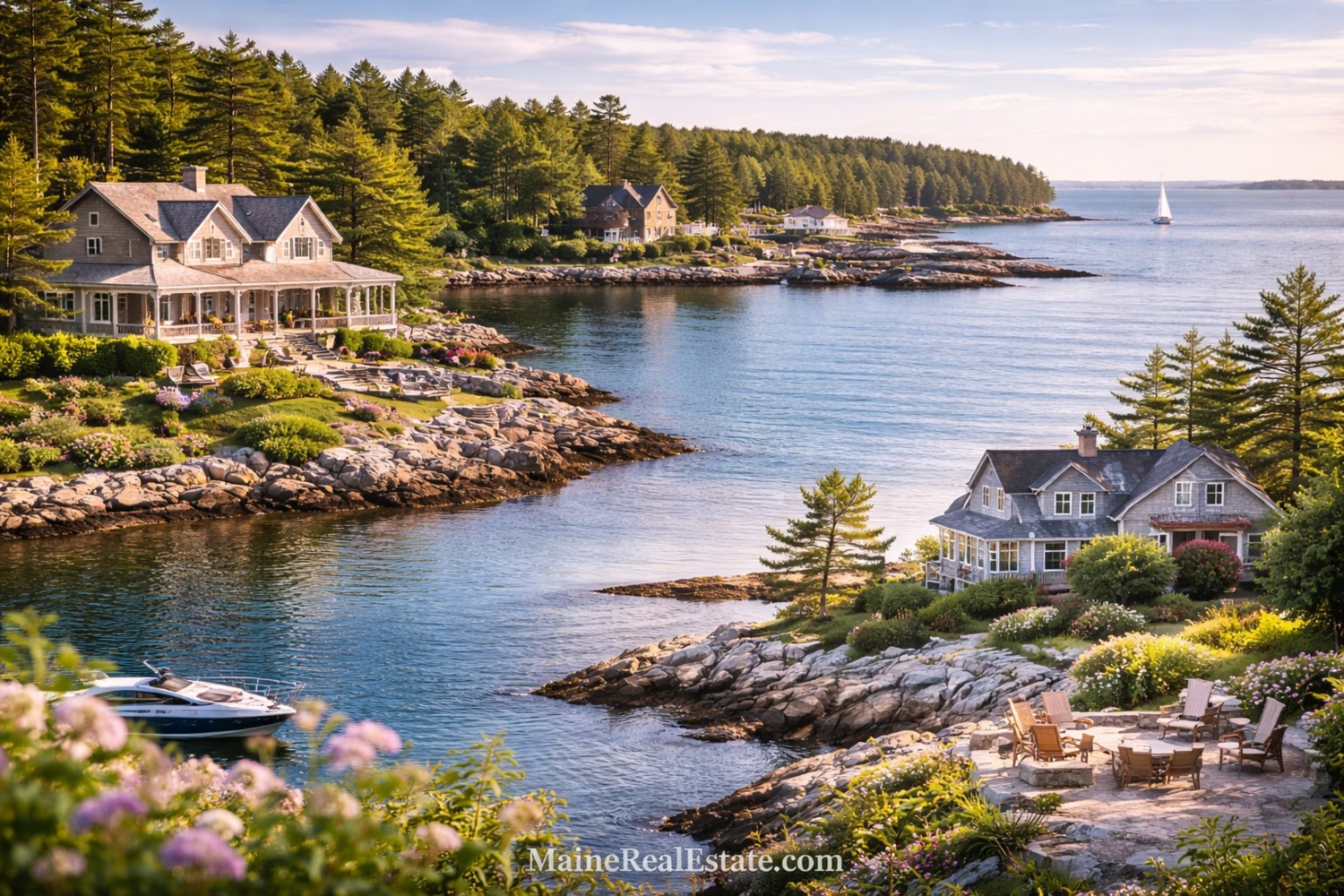
Oceanfront, lakefront, riverfront and deeded-access properties require different research. Confirm boundaries, access rights, flood information, shoreland zoning, docks, septic setbacks, erosion, winter access and insurance. Continue with the Maine waterfront buyer’s guide.
Vacant land and building lots
Before valuing land as buildable, investigate zoning, frontage, access, title, survey, wetlands, soils, septic feasibility, well potential, utilities, clearing, excavation and permitting. A low purchase price can be offset by substantial site-development costs.
Historic and antique homes
Older Maine homes may offer distinctive materials and craftsmanship alongside foundations, wiring, plumbing, insulation and renovation questions. Use inspectors and contractors familiar with the building type. Verify whether historic-district rules affect exterior changes.
New construction
New construction includes completed inventory, homes under construction and custom builds. Review specifications, allowances, change-order procedures, completion timing, warranties, drainage, utilities and what is excluded from the contract. For subdivisions, also review association and road obligations.
Seasonal homes and camps
A camp or seasonal cottage may lack year-round water, insulation, road access or a heating system suitable for winter occupancy. Confirm zoning, occupancy permissions, financing, insurance and the feasibility of any planned conversion.
Commercial and investment property
Commercial, mixed-use and larger investment property require lease, zoning, environmental, income and financing analysis beyond a residential purchase. Coordinate legal, tax, engineering and lending review appropriate to the asset.
Farms, homesteads and rural acreage
Review soils, water, forestry, outbuildings, easements, current-use taxation, agricultural restrictions and the condition of long private drives. Verify intended animals, farming or business uses with the municipality.
Property-type checklist
- Confirm financing and insurance eligibility.
- Match inspections and specialists to the property.
- Review zoning, title, access and recorded restrictions.
- Estimate utilities, maintenance and capital replacements.
- Verify rental or business assumptions independently.
- Understand seasonal and private-road access.
Frequently asked questions
Which Maine property type is best for a first-time buyer?
No type is universally best. Compare financing, maintenance, location and long-term plans. A condominium, single-family home or owner-occupied multifamily may each fit different buyers.
Can every camp become a year-round home?
No. Utilities, road access, zoning, construction and insurance may prevent or substantially increase the cost of conversion.
Is waterfront property always more expensive?
Price varies by water body, frontage, access, condition and region. Ownership risks and ongoing costs should be evaluated separately from purchase price.
Find the right Maine property type
Bean Group can help buyers identify the specialists and due diligence appropriate to a Maine property. Contact Bean Group to begin.