

Buying · Maine
Northern Maine and Aroostook County: A Regional Buyer’s Guide
What buyers should know about Aroostook County housing, rural land, winter readiness, services, connectivity and current-use property taxation.
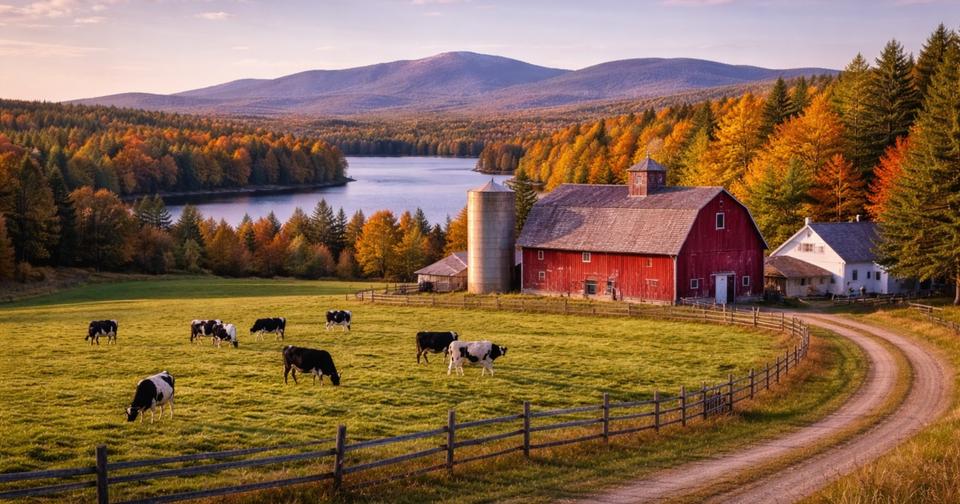
Northern Maine and Aroostook County offer small cities, rural towns, farms, forestland and direct access to an expansive outdoor landscape. Housing prices may differ from Southern Maine, but distance, employment, utilities and property maintenance are central ownership considerations.
Understanding the region
Aroostook County covers a very large area. Presque Isle and Caribou provide important services in the central county; Houlton anchors the southern portion; Fort Kent, Madawaska and neighboring communities shape the St. John Valley. Smaller towns and unorganized areas can be many miles from daily services.
Housing and land
Buyers encounter in-town single-family homes, multifamily buildings, farms, woodland, recreational camps and raw land. Lower density can provide acreage and privacy, but the condition and replacement cost of roofs, foundations, heating systems, wells, septic systems and outbuildings require careful review.
Travel, employment and services
Measure distances to work, health care, groceries, schools and airports from the exact property. Winter weather can materially affect travel. Employment varies by community and includes health care, education, agriculture, forestry, government, manufacturing, logistics and small business.
Remote work may be possible, but broadband and cellular coverage must be verified at the address. Identify backup power and service options before relying on a rural property for full-time work.
Winter readiness
Review insulation, heating capacity, fuel type, chimney condition, generator connections, roof snow management and freeze protection. Ask for actual fuel usage when available. Confirm plowing responsibilities for public and private roads and the reliability of fuel and repair services.
Farms, forestland and current-use taxation
For agricultural or forest property, review soils, drainage, water, buildings, leases, timber rights and access. Maine's Farmland and Tree Growth programs can reduce assessed value for qualifying land, but eligibility and ongoing-use requirements apply; withdrawal can trigger penalties. Obtain classification records from the assessor before closing.
Unorganized territory and land-use review
Some northern properties fall under the Maine Land Use Planning Commission rather than municipal zoning. Confirm jurisdiction, zoning and permits for the intended residence, camp, subdivision, business or agricultural use.
Buyer checklist
- year-round legal and practical access;
- distance to employment, health care and services;
- heating history, insulation and backup power;
- well, septic and water-quality records;
- broadband and cellular service onsite;
- survey, timber, farm and current-use records; and
- municipal or LUPC zoning for the intended use.
Frequently asked questions
Is Northern Maine automatically inexpensive to own?
No. Purchase prices may be lower in some communities, but heating, transportation, maintenance and limited contractor availability can increase operating costs.
Can I buy land for a camp or homestead?
Possibly, but confirm access, zoning, soils, septic feasibility, water, wetlands and utilities before treating a parcel as buildable.
Is cross-border access a factor?
For communities near Canada, border crossings can be part of daily geography. Entry requirements and operating hours are separate from real estate ownership and should be checked through current official sources.
Explore Northern Maine
Bean Group can help you compare towns, rural homes, farms and land across Aroostook County. Contact Bean Group to define your service, access and property requirements.
This guide provides general real estate information. Verify access, zoning, utilities, taxes and property conditions with current authorities and qualified professionals.