
Relocation & Living · New Hampshire
Moving to New Hampshire: Housing, Taxes and Regions
Compare New Hampshire regions, housing, property taxes, utilities, transportation, winter access and property research before relocating.

On this page
- Moving to New Hampshire at a Glance
- Compare New Hampshire Regions
- Housing Types and Building Age
- Taxes and Municipal Services
- Transportation and Daily Access
- Utilities, Internet, and Rural Systems
- Four-Season Property Planning
- Waterfront, Flood, and Environmental Research
- Schools and Community Information
- A Practical Relocation Sequence
- Moving to New Hampshire FAQs
- Continue Your Research
Moving to New Hampshire starts with choosing the right region and understanding how housing, taxes, utilities, transportation, weather, and municipal services differ from one community—and sometimes one address—to another. This guide provides a practical statewide comparison framework.
Moving to New Hampshire at a Glance
- Compare regions before narrowing to towns.
- Test commute and service access in real conditions.
- Evaluate total housing cost, not taxes or price alone.
- Confirm utilities, road maintenance, internet, flood, and winter access by address.
- Use current listings and municipal resources to verify availability and property characteristics.
Compare New Hampshire Regions
Seacoast: historic cities and towns, coastal and tidal settings, regional employment, rail access in selected communities, and a varied mix of older homes, condos, and waterfront property.
Southern New Hampshire: the state’s largest population and employment centers, access toward Massachusetts, established suburbs, village settings, condos, and multifamily housing.
Greater Concord: state government, regional healthcare and services, city neighborhoods, and surrounding lower-density towns connected by I-93 and I-89.
Lakes Region: year-round communities, second homes, waterfront and water-access property, seasonal traffic, and specialized shoreline due diligence.
White Mountains and Great North Woods: mountain towns, recreation-oriented property, longer service distances in some locations, winter access, private roads, and seasonal-use considerations.
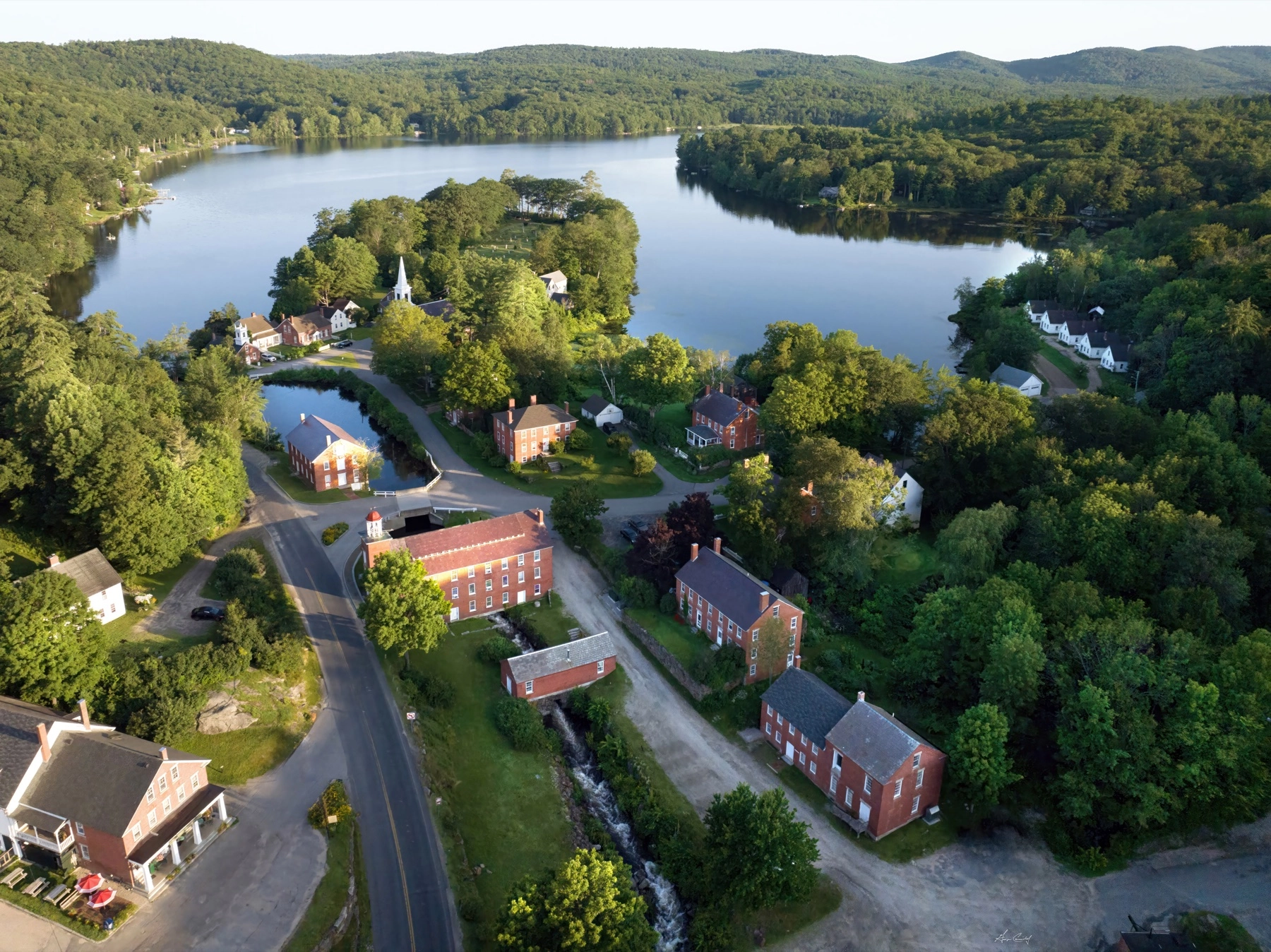
Monadnock, Upper Valley, and western New Hampshire: historic centers, rural-residential property, college and healthcare employment centers, and varied access toward Vermont and Massachusetts.
Explore the complete New Hampshire areas map to move from region to municipality and current listings.
Housing Types and Building Age
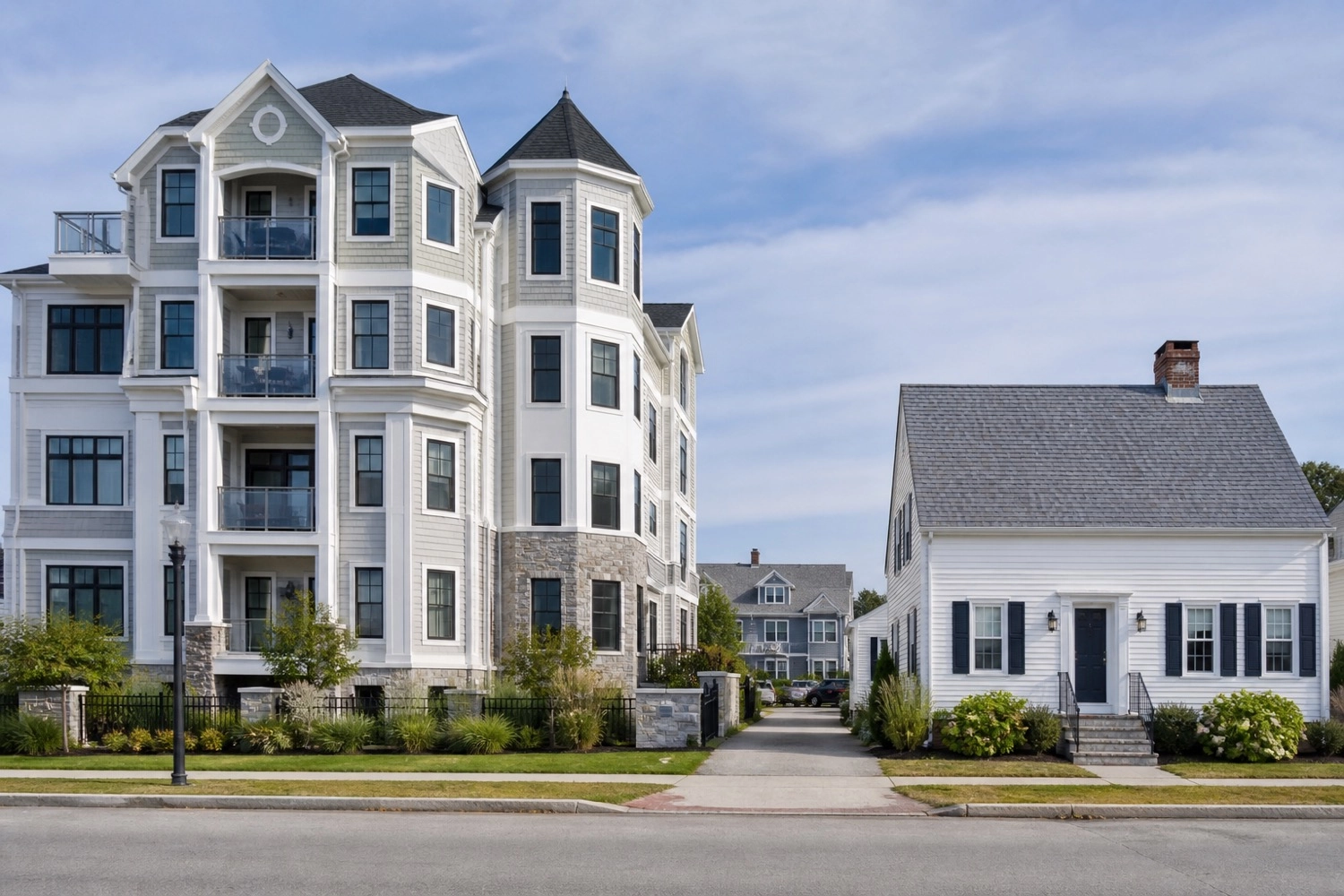
New Hampshire offers antique homes, early-20th-century city housing, mid-century neighborhoods, newer subdivisions, condominiums, manufactured housing, multifamily buildings, seasonal cottages, waterfront homes, and rural property. Building age and type influence inspection, insurance, utilities, maintenance, financing, and renovation planning.
Taxes and Municipal Services
Property taxes and services vary by municipality. Compare the assessed value, current tax bill, assessment cycle, exemptions where applicable, water and wastewater service, road maintenance, trash, emergency services, and other local charges for the exact property.
A tax rate alone does not establish the future tax bill. Assessments and municipal budgets change, and the treatment of a newly purchased or improved property should be confirmed with official sources.
Transportation and Daily Access
Interstates 93, 89, and 95, the Everett Turnpike, Route 101, Route 16, and other regional roads shape commuting. Passenger rail is available in selected Seacoast communities, while intercity bus and airport access vary. Test the actual route at relevant hours and in the season that matters.
Utilities, Internet, and Rural Systems
Confirm electric service, heating fuel, cooling, internet availability, mobile coverage, water, wastewater, and road responsibility by address. Private wells, septic systems, propane or oil heat, generators, and private or shared roads are common in many communities but not universal.
Four-Season Property Planning
Evaluate roof and drainage, insulation, heating, snow storage, driveway grade, plowing responsibility, ice, backup power, trees, and access. For seasonal homes, investigate winterization, water systems, road availability, insurance, and permitted year-round use.
Waterfront, Flood, and Environmental Research
New Hampshire contains ocean, lake, river, pond, and tidal property. Verify legal frontage or access, docks, shoreland requirements, flood and wave information, wetlands, erosion, septic constraints, water quality, insurance, and maintenance. A water view is not equivalent to deeded water rights.
Schools and Community Information
Use official district and municipal sources to confirm assignments, transportation, enrollment procedures, and current programs. School boundaries and arrangements can change. Housing services must be provided without steering or assumptions based on household composition or protected characteristics.
A Practical Relocation Sequence
- Define employment, travel, services, property type, and total budget.
- Compare two or three regions using the areas map.
- Shortlist municipalities and test regular routes.
- Review current listings and realistic property choices.
- Confirm financing and address-level utilities.
- Investigate zoning, permits, taxes, flood, wells, septic, roads, and associations.
- Use qualified inspections and professional guidance.
Moving to New Hampshire FAQs
Which part of New Hampshire should I consider?
Begin with employment or regular travel, desired property type, total budget, and access to services. Then compare regions and actual listings rather than relying on generalized rankings.
Does New Hampshire have high property taxes?
Tax bills vary by municipality, assessment, exemptions, and property. Compare the exact bill and total ownership cost rather than a statewide characterization.
Are private wells and septic systems common?
They are common in many lower-density areas, while municipal services exist in numerous cities, towns, and village districts. Confirm the actual systems by property.
Where can I search by region?
Use the interactive New Hampshire areas guide or search all current homes.
Continue Your Research
- Buying a home in New Hampshire
- Selling a home in New Hampshire
- New Hampshire real estate research library
- Plan a New Hampshire move with Bean Group
Equal Housing Opportunity
Bean Group supports the Fair Housing Act and Equal Housing Opportunity. This guide provides objective regional, property, and ownership information without discrimination based on any protected characteristic.
Information is general and may change. Verify taxes, services, transportation, schools, utilities, zoning, insurance, environmental conditions, and property information through official sources and qualified professionals.