


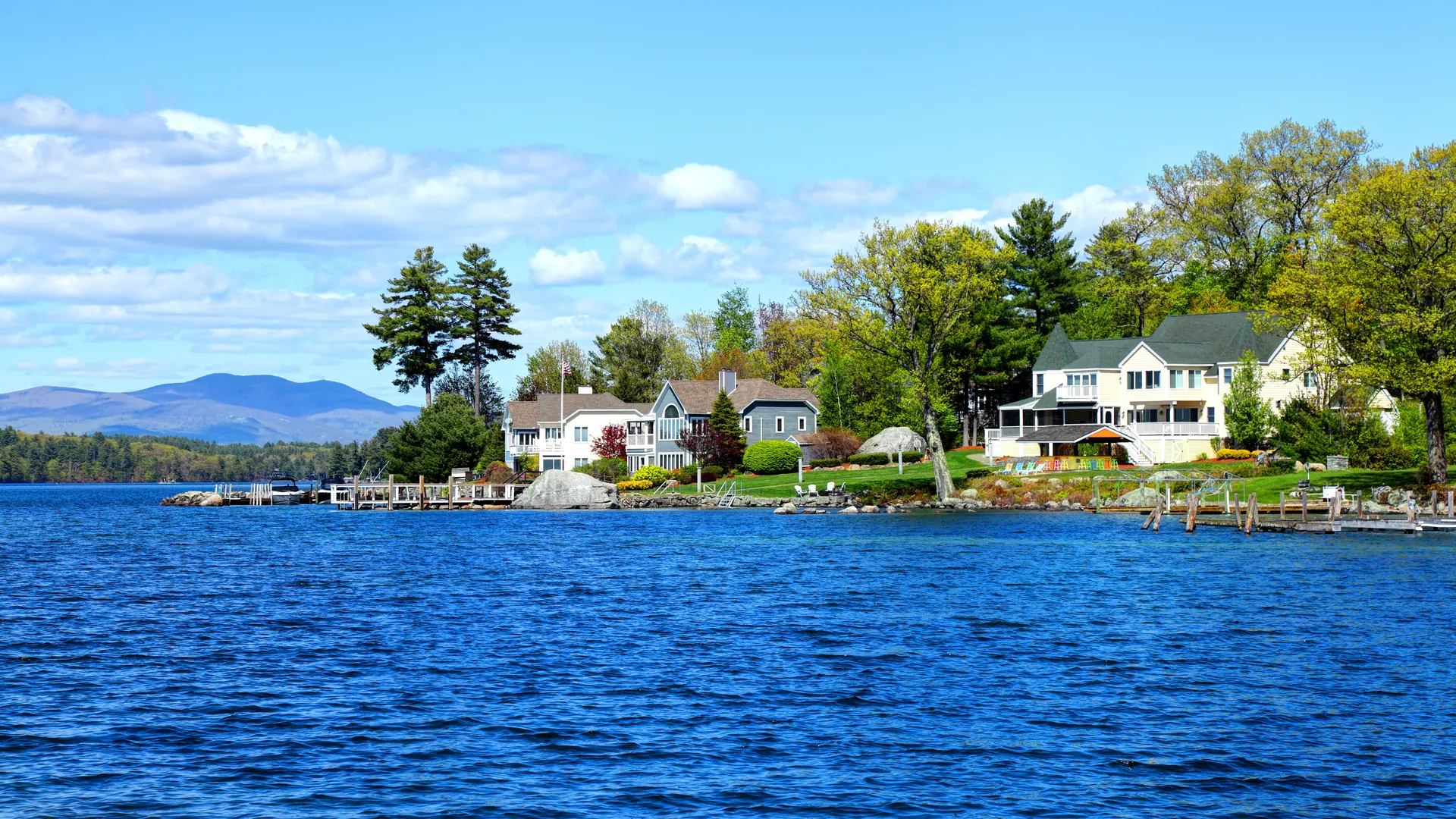
Life by the water
New Hampshire waterfront homes & land
Find your place on the lake, along the river or by the coast. Start with current listings, then explore the setting that feels like home.
Find your next place
Waterfront properties for sale
From quiet mornings on the lake to evenings by the coast, find a place that brings you closer to the water. Let’s talk about your waterfront plans →
877 matching properties
View all NH waterfront homes →


Choose your setting
Explore lake and coastal communities
Town searches include all waterfront types within that town. Open a listing to confirm its waterbody and setting.
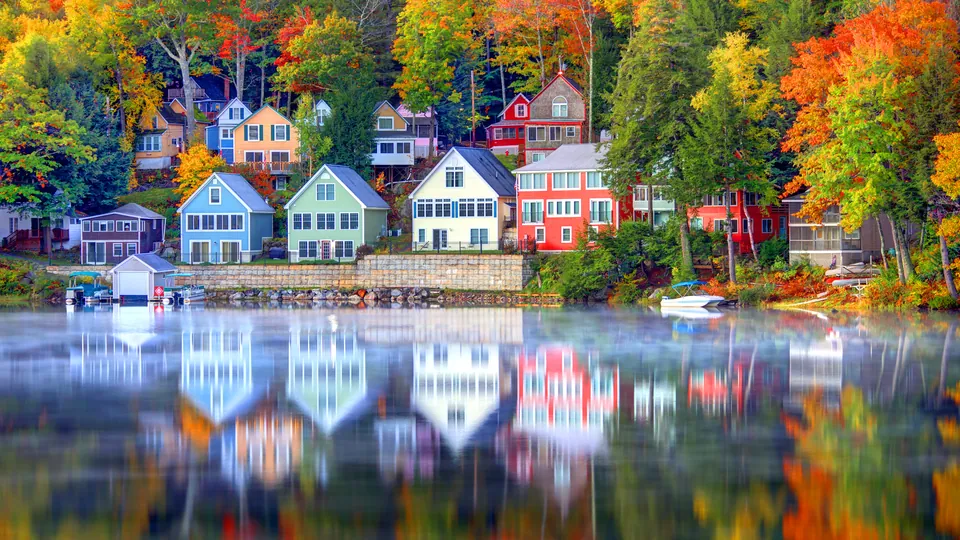
Lake communities
Compare communities around Winnipesaukee and neighboring lakes, from year-round towns to seasonal retreats.
Explore the region →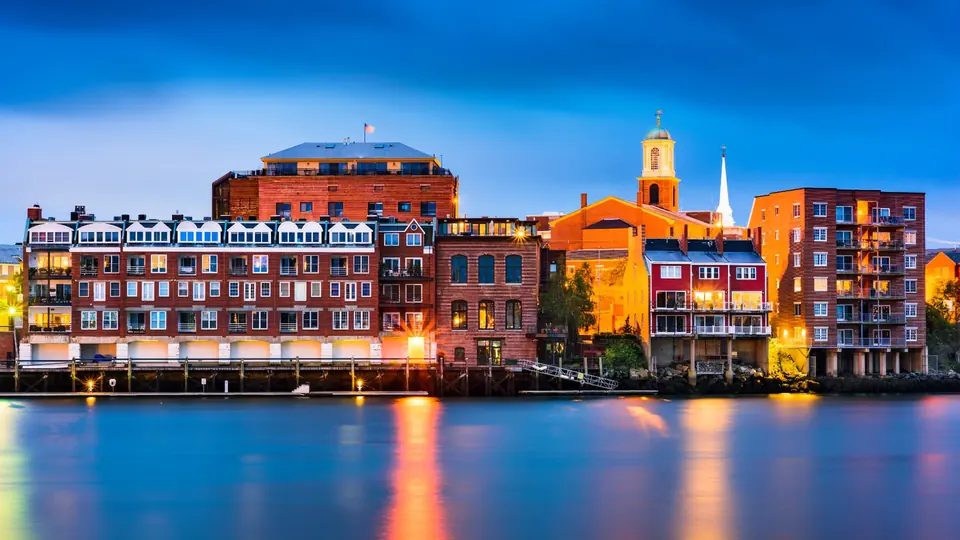
The Seacoast
Explore coastal towns and their waterfront settings, including rivers, tidal inlets and the ocean shoreline.
Explore the region →Look beyond the view
What makes a waterfront property fit?
Waterfront is property-specific
Deeded frontage, shared access, view rights and proximity to water are not interchangeable.
Compare the whole setting
Lake size, boating patterns, winter access and nearby services influence daily life.
Research the shoreline
Review permits, setbacks, docks, septic systems, flood considerations and recorded rights.
Plan for ownership costs
Insurance, utilities, road maintenance and seasonal systems can differ materially.
Quiet Lakes vs. Big Lakes in New Hampshire →
Compare lifestyle, boating, privacy, services and ownership considerations.
New Hampshire Waterfront Due Diligence →
A property-level framework for researching frontage, access and shoreline conditions.
Lake Winnipesaukee Communities →
Explore towns and real estate around New Hampshire’s largest lake.
Plymouth, Newfound & Squam Lakes →
Compare quieter lake settings and nearby year-round communities.
A little local guidance
Find the waterfront that fits your life.
Tell us your preferred towns or lakes, budget and plans for the property. We’ll help you focus your search and prepare the right questions before a visit.
Thinking of selling?
Start with a local valuation that considers your property’s setting, condition and comparable sales.
What is my waterfront home worth? →Tell us what you have in mind
Common questions
Before you buy by the water
What does shared waterfront mean?
It generally means access is owned or used jointly through an association, easement or common parcel. Review the recorded documents, rules, fees and practical access.
Can every waterfront property have a dock?
No. Existing approvals, frontage, environmental rules and site conditions matter. Confirm current requirements before relying on future dock use.
Are New Hampshire lake homes year-round?
Many are, but some were built or serviced for seasonal use. Confirm road access, water, septic, heat, insulation and financing suitability.