Property & Investment · New Hampshire
Buying a Multifamily Home in Concord NH
Buying a multifamily home in Concord, NH? Check legal units, leases, rental income, building systems, financing and municipal records before closing.
On this page
- Why Buyers Consider Concord Multifamily Property
- Verify Legal Unit Count
- Zoning and Permits
- Leases, Deposits, and Occupancy
- Analyze Sustainable Income
- Utilities and Metering
- Parking and Exterior Use
- Inspect the Whole Building
- Financing, Appraisal, and Insurance
- Concord Multifamily Buyer Checklist
- A Concord records-to-offer workflow
- Concord Multifamily FAQs
- Continue Your Concord Research
Concord offers two-family, three-family, four-family, and larger multifamily property. This guide explains what buyers should verify before relying on unit count, rent, expenses, financing, or future use.
Start with the Concord real estate guide.
Why Buyers Consider Concord Multifamily Property
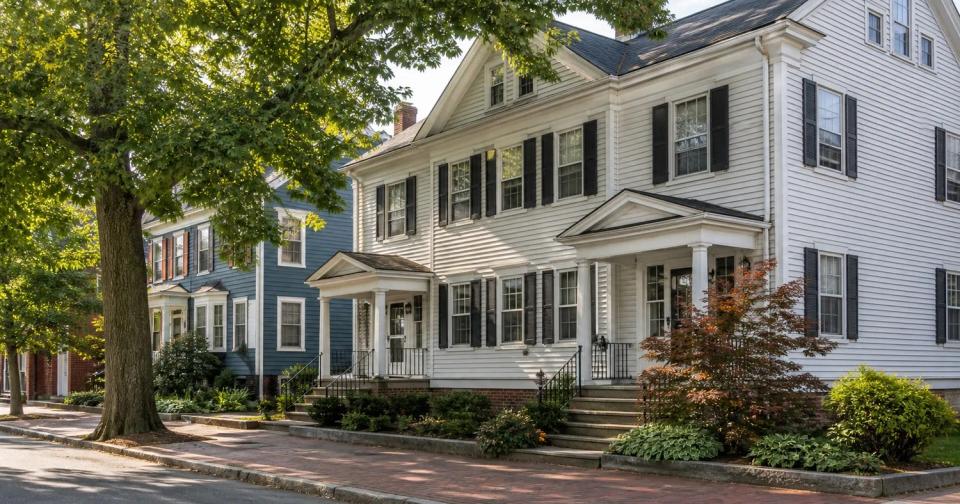
Concord includes owner-occupied two-family homes, duplexes, three-family buildings, converted houses, mixed-use buildings, and larger apartment property. A buyer may seek owner occupancy, investment, or multigenerational use, but the purchase must be evaluated as a building, regulated use, and financial commitment.
Verify Legal Unit Count
Marketing, assessor records, meters, kitchens, and occupancy can provide clues but should not alone prove legal use. Compare zoning, permits, occupancy records when applicable, fire and code records, plans, and the physical configuration. Unverified units can affect financing, appraisal, insurance, and income.
Zoning and Permits
Review the Concord zoning maps, GIS, and available permits for conversions, additions, finished spaces, electrical, plumbing, heating, structural work, decks, and egress. The current zoning district does not by itself prove that every existing configuration is lawful.
Leases, Deposits, and Occupancy
Request leases, amendments, rent records, deposit information, notices relevant to the sale, and an occupancy schedule. Consult qualified legal counsel about agreements, deposits, notices, fair-housing obligations, and New Hampshire landlord-tenant requirements. Do not assume that a unit can be delivered vacant or that rents can immediately change.
Analyze Sustainable Income
Current rent is one input. Review payment history, terms, included utilities, concessions, vacancy, collection loss, and condition. Build a conservative projection with vacancy, repairs, management, owner-paid utilities, insurance, taxes, snow, landscaping, pest control, reserves, and capital replacements.
Utilities and Metering
Confirm how heat, hot water, electricity, water, wastewater, and other services are supplied and metered. Separate meters do not necessarily mean every system is independent. Inspect heating, water heaters, fuel systems, electrical panels, plumbing, shutoffs, and common-area services.
Parking and Exterior Use
Verify spaces, driveway rights, shared access, snow storage, garage use, trash storage, and easements. Investigate porches, stairs, decks, railings, retaining walls, and exterior components serving multiple occupants.
Inspect the Whole Building
- Foundation, framing, moisture, and drainage
- Roofing, flashing, chimneys, and masonry
- Electrical service, wiring, and panels
- Plumbing supply, waste lines, and shutoffs
- Heating, ventilation, hot water, and fuel
- Fire separation, alarms, egress, stairs, and lighting
- Windows, insulation, exterior, and age-related materials
- Every accessible unit, common area, and system
Financing, Appraisal, and Insurance
Financing can depend on verified units, occupancy, condition, loan program, rents, appraisal, and borrower use. The appraisal may analyze comparables and income. Obtain insurance guidance for the verified unit count, occupancy, systems, building age, roof, loss history, and any commercial component.
Concord Multifamily Buyer Checklist
- Verify legal unit and bedroom count.
- Review zoning, permits, inspections, and violations.
- Obtain leases, deposits, rent history, and occupancy details.
- Confirm utilities, metering, and equipment.
- Inspect every accessible unit and shared component.
- Analyze realistic income, vacancy, expenses, reserves, and capital work.
- Verify parking, easements, storage, and snow arrangements.
- Obtain lender, appraisal, insurance, legal, tax, and inspection guidance.
A Concord records-to-offer workflow
Start with the city’s zoning maps and GIS viewer. If the building is in the historic district, investigate review requirements before budgeting exterior alterations. A planned entrance, window or exterior stair can affect both approval and construction costs.
Build a unit-by-unit schedule showing the approved configuration, current occupants, lease dates, rent received, deposits, included utilities and inspection access. Reconcile discrepancies before financing and inspection deadlines. If your plan depends on occupying one unit, confirm the legal and contractual path to possession rather than assuming a tenant will leave at closing.
Compare actual opportunities in the Concord multifamily search. Separate an existing lawful rental from a proposed conversion, and budget approval time and capital work accordingly.
Concord Multifamily FAQs
Does Concord have two- and three-family homes?
Yes. Availability changes, and the legal configuration should be verified for each building.
Does occupancy prove a unit is legal?
No. Review zoning, permits, code records, and applicable municipal documentation.
Can rent help with financing?
Some programs may consider rent, but requirements vary by property, occupancy, leases, appraisal, borrower, and lender.
What expenses should be included?
Include vacancy, repairs, management, utilities, insurance, taxes, maintenance, snow, landscaping, reserves, and capital replacements.
Where can I search listings?
Use the Concord property search.
Continue Your Concord Research
- Concord real estate guide
- Concord condos versus homes
- Concord property guide
- Ask Bean Group about a multifamily property
Equal Housing Opportunity
New Hampshire Real Estate supports Equal Housing Opportunity and provides objective real estate and property information without discrimination based on any protected characteristic.
Information is believed accurate but not guaranteed. Laws, zoning, permits, financing, insurance, leases, and property conditions can change. Obtain professional guidance appropriate to the transaction.