Buying · New Hampshire
NH Flood Zones & Coastal Risk: A Homebuyer's Guide
A practical Seacoast buyer's checklist for FEMA maps, flood insurance, elevation records, access and renovation questions.
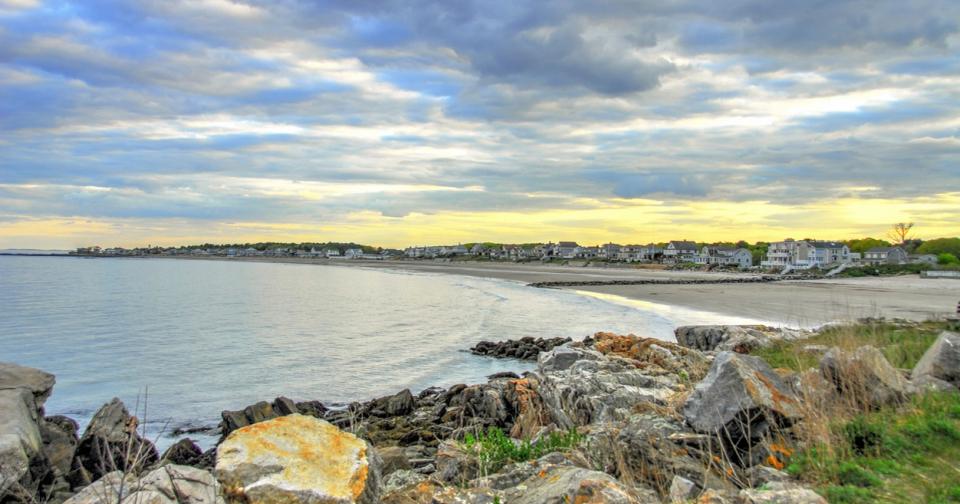
Before buying a home on the New Hampshire Seacoast, review flood exposure at the property level. The house, driveway, basement, utilities and surrounding roads may face different risks. A water view, a seller's insurance bill or a town's reputation cannot answer those questions.
Start with the effective FEMA map, obtain insurance quotes for your intended ownership and use, and bring unresolved elevation or building questions to the local floodplain administrator. This guide explains how to organize that review for coastal, tidal-river and inland properties.
Start with the effective FEMA flood map
Search the address in the FEMA Flood Map Service Center. Locate the building as well as the parcel, and note the effective map panel, flood zone and any applicable map revision. A parcel can cross a flood-zone boundary; a map pin alone is not a survey.
Ask the town or city floodplain administrator to help interpret the map for the actual structure. If an elevation certificate, survey or FEMA map-change determination exists, obtain the document and confirm that it covers the present building.
- A and AE zones: mapped high-risk flood areas. AE areas include base flood elevations.
- V and VE zones: mapped coastal high-hazard areas that include wave-action risk. VE areas include base flood elevations.
- Zone X: check whether it is shaded or unshaded. Shaded X generally identifies moderate-risk areas; unshaded X identifies minimal mapped risk. Neither means flooding is impossible.
FEMA's flood-zone explanation is a useful companion to the map. The 1%-annual-chance flood is a probability for each year, not a promise that a flood happens only once in a century.
Look beyond the mapped building
On a tour, make a separate list of access and recovery questions. Where would you park if the road or driveway flooded? Where are electrical equipment, heating systems and stored belongings? Is there a lower-level living area, elevator, garage or shared mechanical room?
Request available information about previous water entry, repairs and mitigation. Review it alongside inspections and official records. A dry basement during a showing does not establish how the property performs during heavy rain, high tides or a coastal storm.
For a Portsmouth condo, include common areas and association responsibilities. For a Rye or Hampton house, include outbuildings and the route to the property. Around Great Bay and tidal rivers, investigate the site's actual exposure rather than assuming that distance from an ocean beach settles the issue.
Separate flood insurance from homeowners insurance
Standard homeowners insurance generally excludes flood damage. Ask a licensed insurance professional for both a homeowners proposal and any separate flood coverage appropriate to the property. Wind damage and storm-surge flooding can involve different coverage and deductibles.
The National Flood Insurance Program generally offers up to $250,000 of residential building coverage and $100,000 of contents coverage. Those limits may be lower than your rebuilding or belongings exposure; discuss private or excess options if needed. Building and contents coverage are separate decisions, and exclusions and settlement terms matter. See FloodSmart's policy-buying guidance.
NFIP policies usually have a 30-day waiting period, with exceptions including some loan-related purchases. Confirm the effective date before closing rather than assuming coverage begins when you ask for a quote.
Ask the lender what it requires
Federal flood-insurance requirements can apply to a loan secured by a building in a Special Flood Hazard Area when the lender and community fall within the applicable rules. Lenders can also impose requirements beyond the federal minimum. Obtain the lender's determination and required coverage in writing; do not infer it solely from the listing or your own map search. The FDIC's flood-insurance guidance explains the regulatory framework.
For a condominium, ask the lender and insurance professional to review the association's master flood coverage and any unit-owner coverage needed. A master policy's existence does not, by itself, answer every coverage or financing question.
What an elevation certificate can tell you
An elevation certificate records building and elevation information. Under current NFIP pricing, most owners do not need one simply to obtain a policy. It may still be required for local floodplain compliance and can help identify whether an elevation-related insurance discount is available.
Use FEMA's elevation-certificate guidance to frame the discussion with your insurance professional and local official. Confirm whether an existing certificate reflects later additions, enclosure changes or equipment relocation. Do not assume that obtaining a certificate will remove a lender's requirement or guarantee a lower premium.
Renovation plans need a floodplain review
If your purchase depends on an addition, substantial renovation or rebuilding, discuss the scope with the local permitting office before relying on it. Under NFIP minimum standards, substantial improvement and substantial damage generally involve costs that equal or exceed 50% of the structure's market value before the improvement or damage. Land is excluded from that value. Local requirements can be stricter.
The calculation and resulting compliance obligations belong with the local authority and qualified professionals. Do not use the purchase price, a land-inclusive assessment or a contractor's informal rule of thumb as an automatic answer. FEMA's substantial improvement and damage reference explains the framework.
Coastal floodplain work can also intersect with shoreland, wetlands and local zoning rules. Read our NH waterfront regulations guide before treating a floodplain discussion as complete project approval.
A practical checklist before your inspection deadline
- Save the effective map and identify the actual building's zone.
- Request existing surveys, elevation certificates, permits and available flood or repair records.
- Obtain written insurance proposals with coverage limits, exclusions, deductibles and effective dates.
- Confirm the lender's flood-insurance requirements.
- Ask the local official about planned improvements and any unresolved compliance questions.
- Include access, parking, utilities and association obligations in the ownership budget.
To compare a property with your broader search, contact Michael Bean and explore the NH Seacoast resource hub. Michael can help organize the real estate questions and coordinate next steps; insurance, engineering and permit determinations should come from the professionals responsible for them.